How to read manga: right to left, panel by panel
The first time you open a manga it feels like reading in a mirror. Within a chapter it stops feeling strange, because the pages are built to pull your eye the right way. This guide walks through one real manga, page by page, so you can see each rule working rather than memorise it, and ends with a page to try yourself.
Why manga reads right to left
Japanese has traditionally been written vertically (縦書き, tategaki): each column runs top to bottom, and the columns go from right to left. Books set that way are bound on the right (右開き, migi-biraki), so the pages turn toward the right and the story moves leftward. Manga inherited the direction of the books it is printed in. Speech balloons are vertical text too, so the whole page, from panels down to individual words, agrees on one direction.
Step 1: start at the “back” of the book
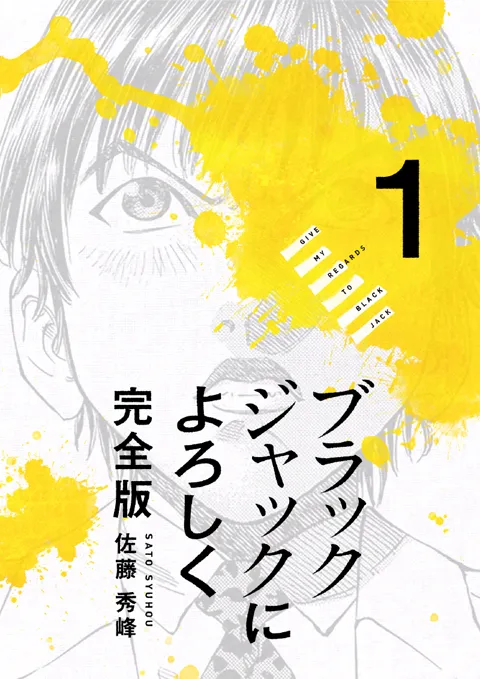
Hold the book with the spine on your right. The cover facing you is the front cover, even though in an English book that would be the back. The first page of the story is just inside.
Step 2: right page first, then left
When the book is open, you are looking at a spread of two pages. Read the whole right-hand page, then the left-hand page, then turn. The page turns toward the right.
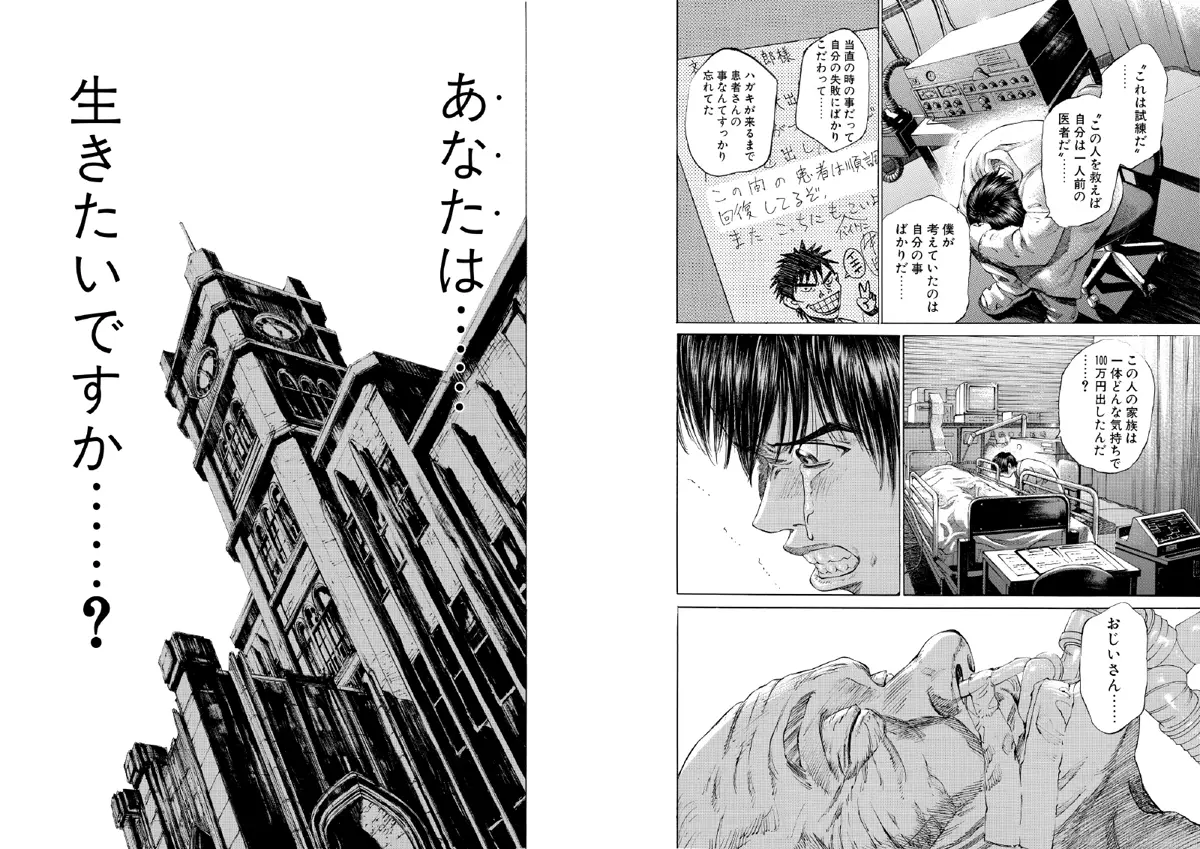
This order matters for more than navigation. Because the reader always turns after the left-hand page, artists put cliffhangers at the bottom of left pages and reveals at the top of the next right page. Read in the wrong order and you see the answer before the question.
Step 3: panels go top right to bottom left
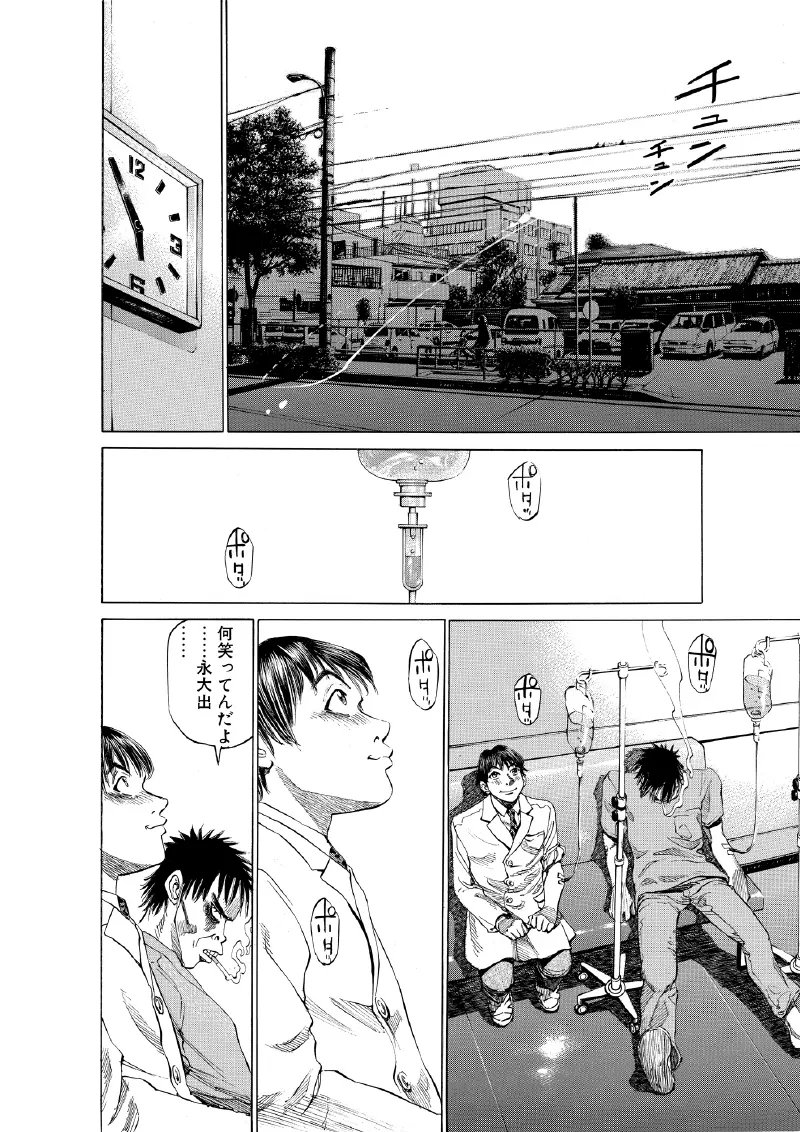
Inside a page, start at the top-right panel. Read across the row toward the left, then drop to the next row and start again at its right end. Think of a backwards “Z”.
When the layout looks ambiguous
- A tall panel beside two short stacked ones: treat the stack as one unit. Read the panels stacked on the right top to bottom before moving left to the tall panel; if the tall panel is on the right, it comes first. In Cohn’s study below, most readers (91 of 145) went down the column in this situation rather than zigzagging.
- A panel inside a panel (an inset): read the big panel first, then the inset, unless the inset sits clearly at the start of the row.
- A panel that breaks the frame: a figure that spills over a border belongs to the panel it starts in. Keep following the frames.
You are not alone in hesitating. In a 2013 study, the comics researcher Neil Cohn asked 145 readers to number the panels of empty layouts. People who read a lot of manga were more likely to start at the top right, but most still read the rest of the page the Western way. Habits are strong; give yourself a chapter or two.
Step 4: balloons and vertical text
Inside a panel, balloons also go right to left and top to bottom: the balloon nearest the top right is spoken first. Inside a balloon, Japanese text runs in vertical columns, read top to bottom, starting with the rightmost column.
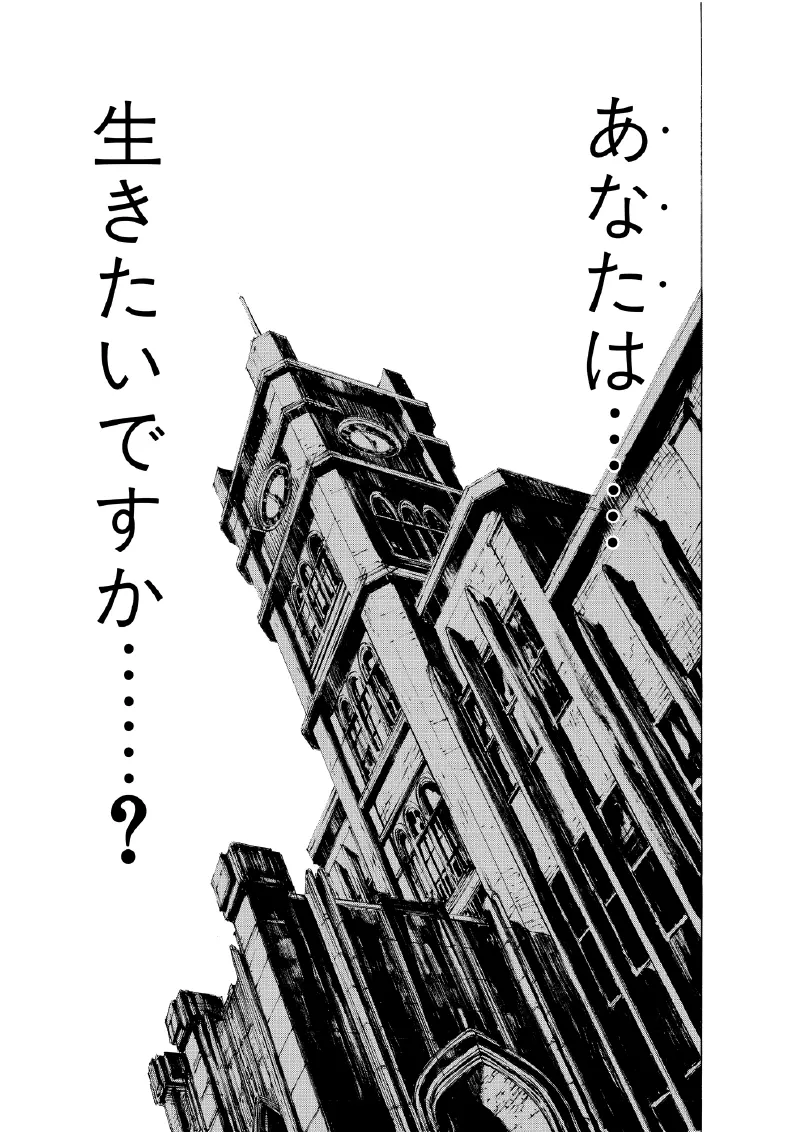
Artists help you here: the first line of a page usually sits right where you enter it. We checked this across every right-hand page of a research dataset of 87 published volumes:
Where the words sit on a right-hand page
- Top right: the hottest spot. It is where the reader enters the page, so the first line of dialogue lands there.
- Two side bands: vertical Japanese text is tucked against panel edges, so it does not cover faces.
- Centre: the coolest area, left for the drawing.
Step 5: the sound effects
The big hand-drawn letters scattered across panels are sound effects (擬音語, giongo), and they are drawn as part of the art rather than lettered on top. Japanese also has words for things that make no sound at all, like a sudden silence, a glare or a blush (擬態語, gitaigo), so manga effects describe feelings as often as noises.
They are everywhere. Across the research dataset of 87 published volumes, we counted:
- 45,422annotated sound effects
- 5.6per two-page spread, on average
- 85%of spreads have at least one
You do not need to read Japanese to follow them. A handful cover most pages, and once you know them you will spot them everywhere. These were the most common, with spelling variants merged:
| Effect | Sounds like | Meaning | Times found | In volumes |
|---|---|---|---|---|
| ハア | haa | Heavy breathing, panting, a sigh | 694 | 69 of 87 |
| ザワ | zawa | A crowd murmuring; an uneasy stir | 514 | 54 of 87 |
| ドキ | doki | A pounding heart: nerves, fear or a crush | 485 | 56 of 87 |
| パチ | pachi | A snap: clapping, a blink, a spark | 396 | 59 of 87 |
| ドン | don | A heavy boom or thud; also dramatic weight | 343 | 76 of 87 |
| キャ | kya | A shriek or squeal | 333 | 63 of 87 |
| ワイ | wai | Lively chatter of a crowd (wai wai) | 299 | 40 of 87 |
| ガラ | gara | A sliding door rattling open | 296 | 61 of 87 |
| バン | ban | A bang or slam | 260 | 68 of 87 |
| ゴロ | goro | A rumble (thunder) or something rolling | 254 | 26 of 87 |
| パン | pan | A pop, a slap, a gunshot | 248 | 64 of 87 |
| クス | kusu | A stifled giggle | 235 | 49 of 87 |
Source: MangaForge’s measurements of the Manga109-s dataset (87 volumes, 15,607 pages, 81,887 panels; Aizawa, Yamasaki and Matsui Laboratory, University of Tokyo), from its panel and text annotations only. The works are courtesy of their authors. Cite: Aizawa et al., “Building a Manga Dataset ‘Manga109’ with Annotations for Multimedia Applications,” IEEE MultiMedia 27(2), 2020. Sound effects from the dataset’s COO (Comic Onomatopoeia) annotations.
Notice what tops the list: breathing, a murmuring crowd and a racing heart. Manga uses sound effects to put you inside a character’s body as much as to describe the world. Repeat a sound to make it last: a single ドキ is one heartbeat, ドキドキ is a pounding that does not stop.
How English editions handle them
Publishers choose one of three approaches, set in their house style: redraw the effect in English as new art, keep the Japanese effect and add a styled English version beside it, or keep the Japanese and add a small plain subtitle. When Tokyopop moved to unflipped editions in 2002 it left the original effects untranslated, to keep the art intact. If you see small text tucked next to a big Japanese effect, that is the translation.
English editions: why they are not flipped
Most manga sold in English today keeps the Japanese page order. That was not always true. Early English editions were often “flopped”: every page mirrored so it read left to right. Katsuhiro Otomo’s Akira, published in English by Epic Comics from 1988, was flopped and coloured. Mirroring has costs: right-handed characters become left-handed, signs and clocks run backwards, and the artist’s composition is reversed.
The industry changed in 2002. That January, Tokyopop announced that from April all its new manga would be in the “authentic right-to-left format.” That March, the trade press reported that VIZ published Akira Toriyama’s Dragon Ball right to left because Toriyama insisted on it, and Dark Horse’s Tim Ervin-Gore pointed out that flopped samurai stories get history wrong: “there were never left-handed samurai.” Most publishers followed Tokyopop’s lead.
Here is what an unflipped translation looks like, using the author’s own official English edition:
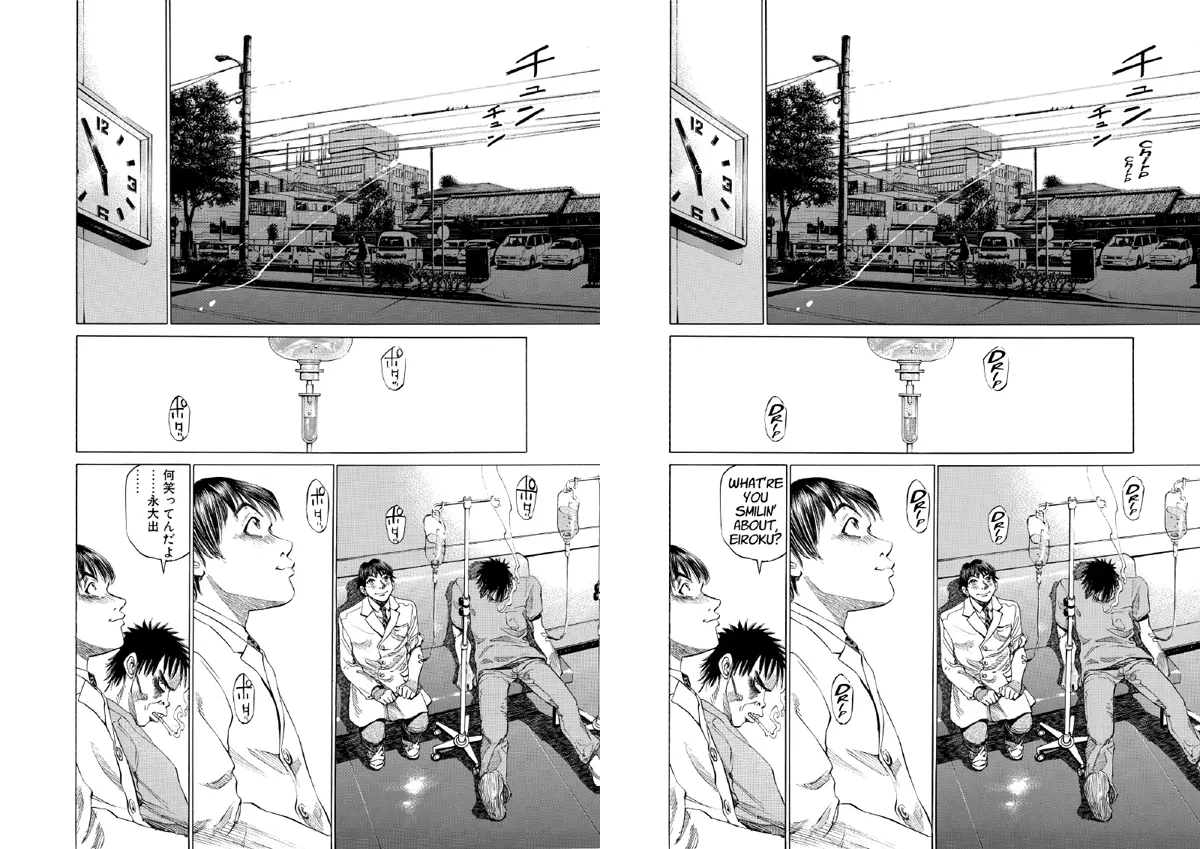
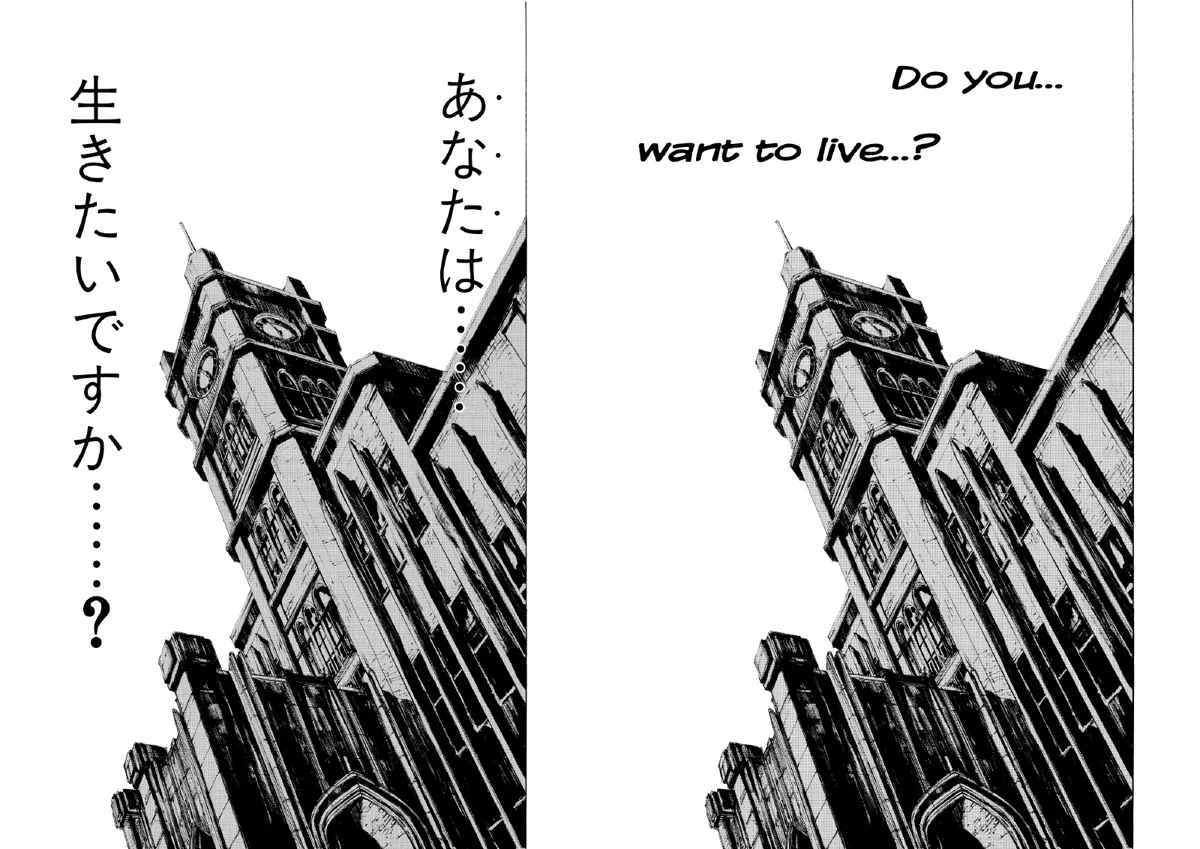
So the rules in this guide hold for English manga too. Start at the right, read right to left, and trust the layout. If you open an English manga from the Western front, you land on the last page: turn the book over and start from the other side.
Not everything reads right to left
- Webtoons are made for phones and scroll vertically. Read top to bottom; there are no pages to turn.
- Korean manhwa in print reads left to right, like an English book, because Korean is normally written horizontally.
- Chinese manhua varies: mainland titles generally read left to right, while titles from Taiwan and Hong Kong often read right to left. Check where the spine is.
- Four-panel strips (yonkoma) read in a single column, top to bottom.
- Manga-style comics made in English usually read left to right. When in doubt, look for the spine: a spine on the right means right to left.
Try it yourself
Number the panels of this page in your head, then open the answer.
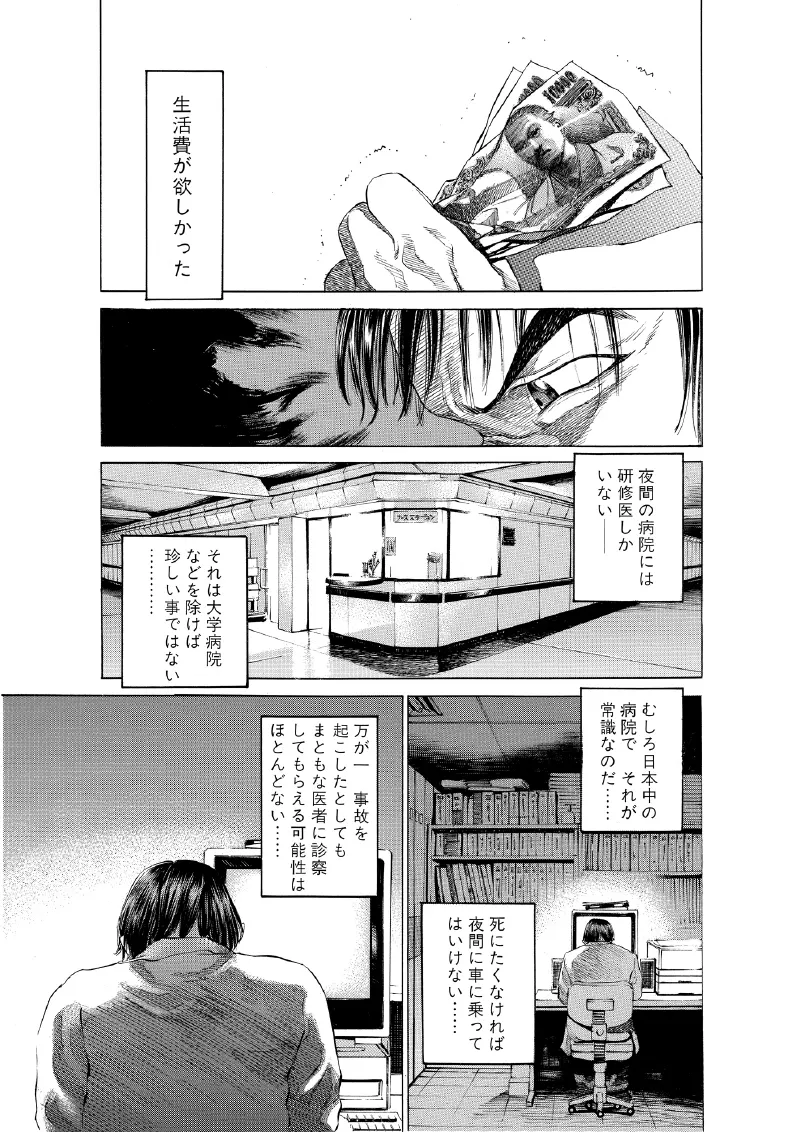
Show the answer
If you got the bottom tier right (right panel, then left), you can read manga. To see how artists build pages that read this smoothly, continue with manga panel layout.
Make your own manga
MangaForge is a browser-based manga studio, in beta. It does not generate artwork: you draw every page. Set a document to read right to left and its panel numbers and reading-path overlay follow, so you can check your own pages read the way this guide describes.
Frequently asked questions
- Do you read manga from right to left?
- Yes. Japanese manga is bound on the right, so you start at what looks like the back of the book, read the right-hand page before the left, and read panels from the top right to the bottom left.
- Where do I start reading a manga page?
- At the top-right panel. Read across the top row toward the left, then drop to the next row and start again at its right end.
- In what order do you read speech bubbles in manga?
- Right to left and top to bottom, the same as panels. The balloon nearest the top right of a panel is spoken first. Inside a Japanese balloon, the vertical columns read top to bottom, starting with the rightmost column.
- Are English manga flipped?
- Most are not. Since around 2002 most English publishers print manga in the original right-to-left order and translate the text in place. Older editions, such as the 1988 English Akira, were mirrored.
- Why don’t publishers flip manga to read left to right?
- Mirroring reverses the artist’s compositions, makes right-handed characters left-handed and turns signs and clocks backwards. Some creators, including Akira Toriyama for Dragon Ball, insisted on the original direction.
- Do webtoons and manhwa read right to left?
- No. Webtoons scroll vertically, top to bottom. Korean manhwa in print reads left to right. Chinese manhua varies by region, so check which side the spine is on.
- What do the sound effects in manga mean?
- They are drawn onomatopoeia. Some are sounds, like ドン (a boom) or バン (a bang); others describe feelings, like ドキ (a pounding heart). In a dataset of 87 published volumes, the most common were ハア (heavy breathing), ザワ (a murmuring crowd) and ドキ.
Sources
- Shuho Sato, Give My Regards to Black Jack vol. 1, Japanese and English free secondary-use editions
- Wikipedia, “Horizontal and vertical writing in East Asian scripts” (tategaki, right-bound books)
- Neil Cohn, “Navigating Comics,” Frontiers in Psychology 4:186, 2013
- Anime News Network, Tokyopop announces right-to-left format, 30 January 2002
- ICv2, “Manga Right to Left: Will It Fly?”, 7 March 2002
- Anime News Network Answerman on the flopped Epic edition of Akira, 2018
- SWET, manga lettering and translation (how English editions treat sound effects)
- Manga109-s dataset and its COO onomatopoeia annotations, University of Tokyo. Statistics measured by MangaForge; no images used
MangaForge is in beta. Already have an account? Sign in.