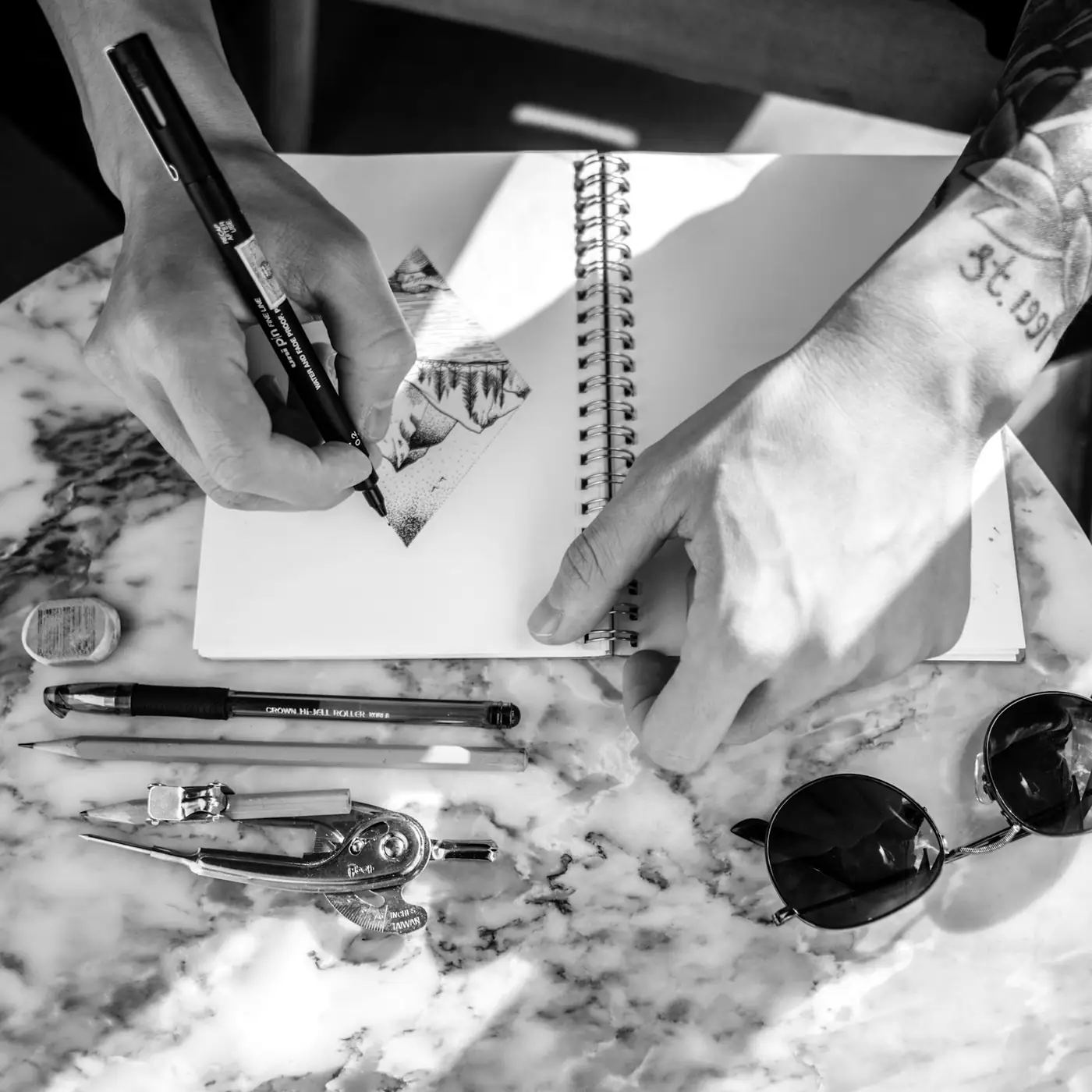
Your Story Deserves
To Be Seen.
To everyone who inks until the first train. To the assistants who tone the pages nobody signs. To the ones who redraw a hand for the fourth time and still hand it in. This page is for you.
MangaForge is made by people who read manga before they could make it. Before we show you anything we built, we want to say thank you.
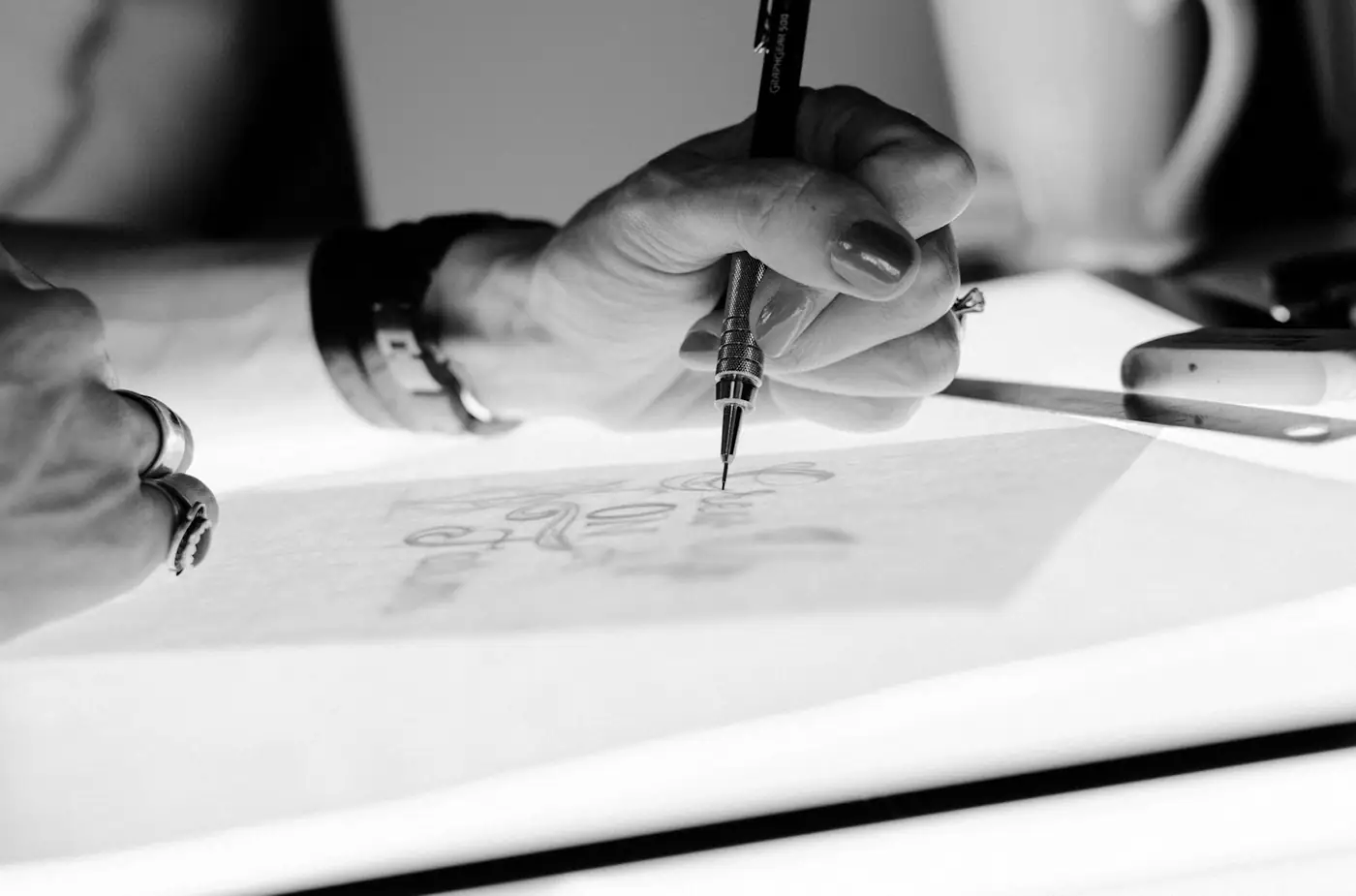
Twelve things on the desk.
None of them are ours. All of them are why we exist. Under each one, the assistant says what it is for.
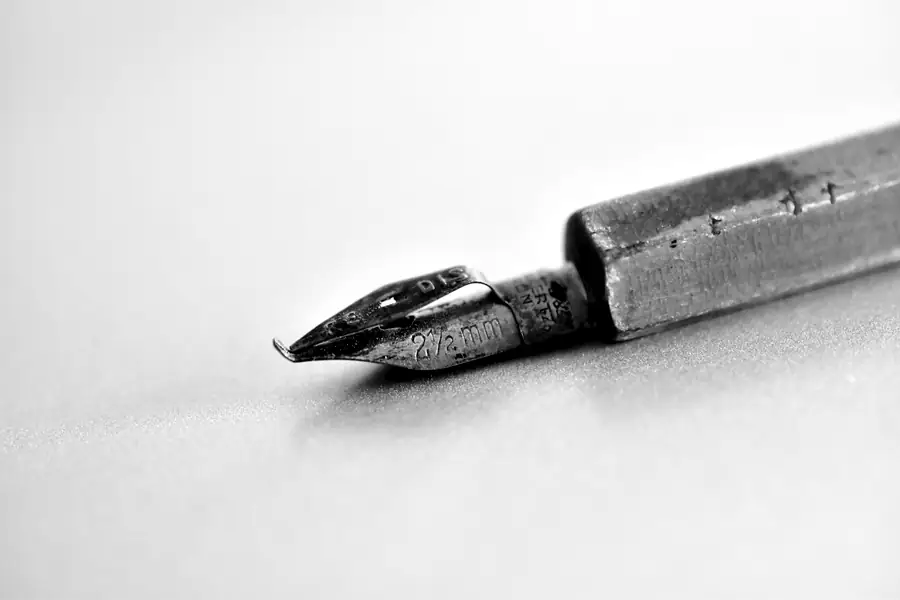
G-penGペン
Press and the line swells. Lift and it thins to a hair. Every face you have ever loved in a manga was built from that one motion.
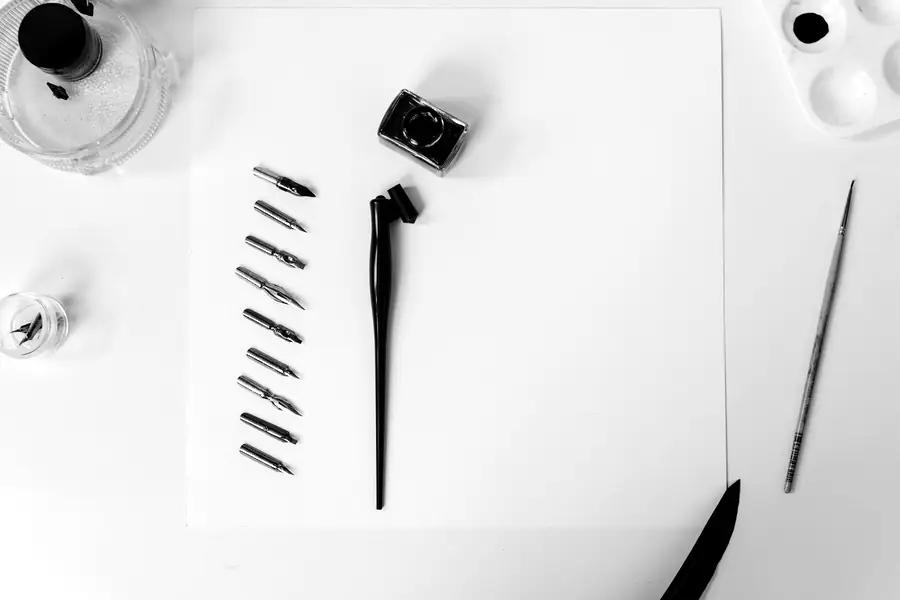
Maru-pen丸ペン
The round nib. Eyelashes, hair, the crowd at the back of the stadium. It hates pressure and rewards patience.
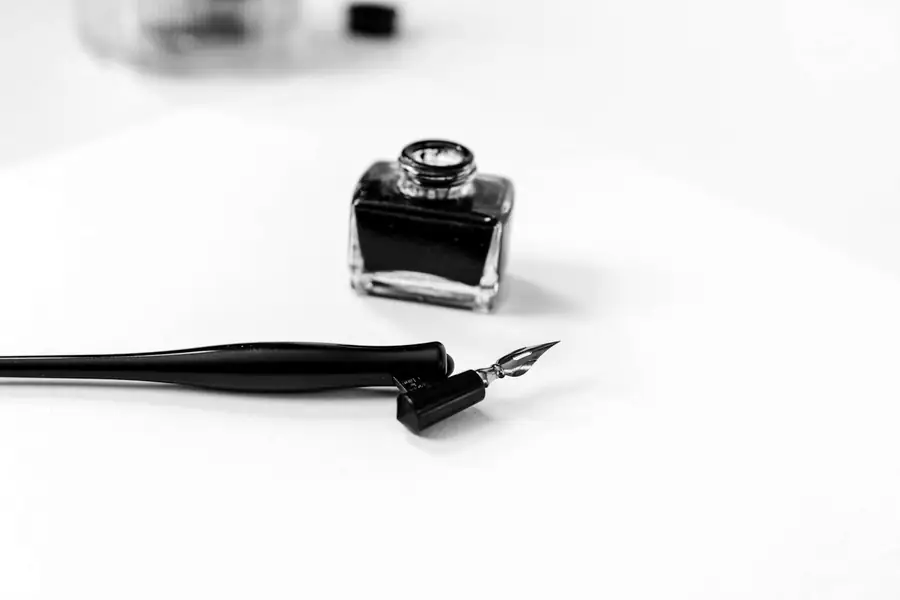
Ink墨汁
Pigment ink that dries matte and scans pure black. One bottle outlives a whole tankōbon.
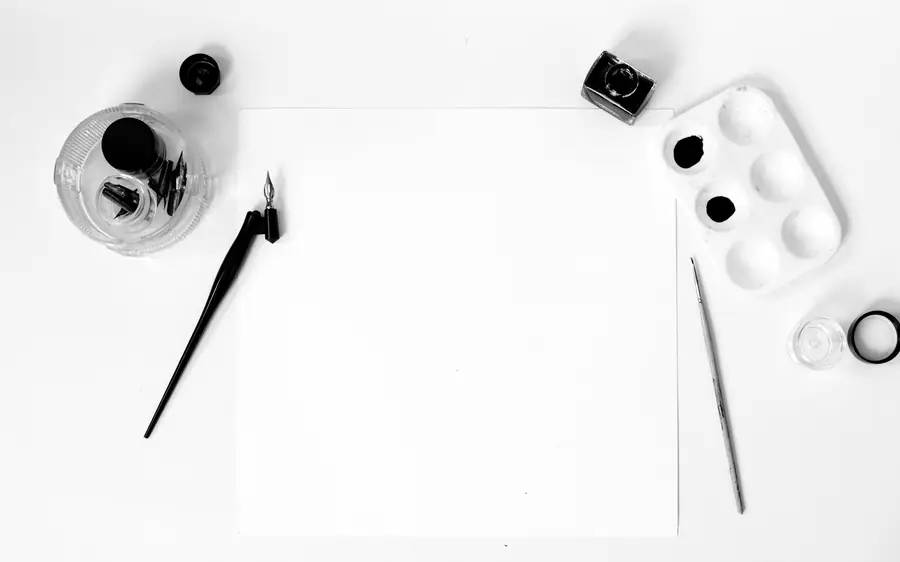
Kent paperケント紙
B4 manuscript paper, 110 kg, with pale blue guides the printer never sees. You draw bigger than the book so your shaking hand shrinks with it.
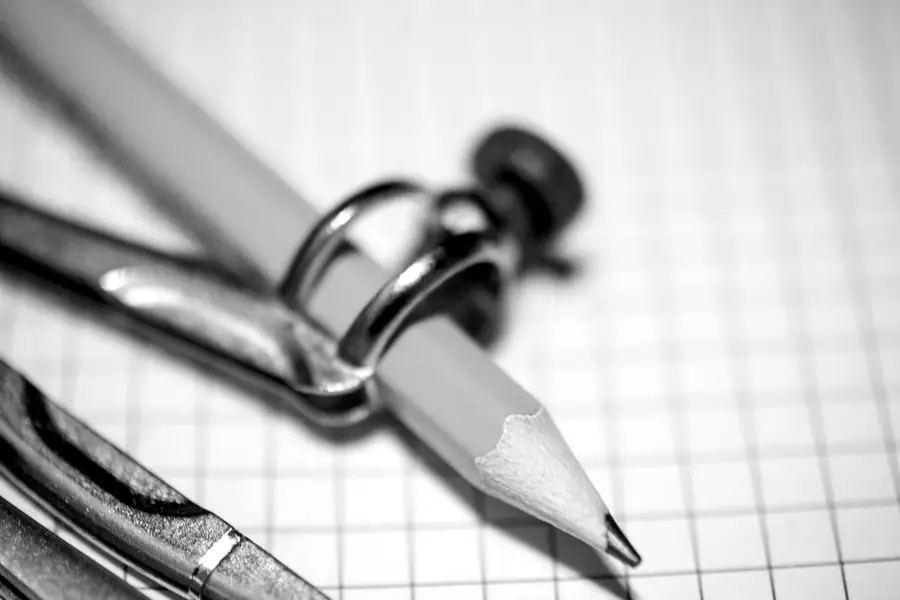
Blue pencil水色の鉛筆
Non-photo blue. The rough layer the camera used to ignore, so you never had to erase it.
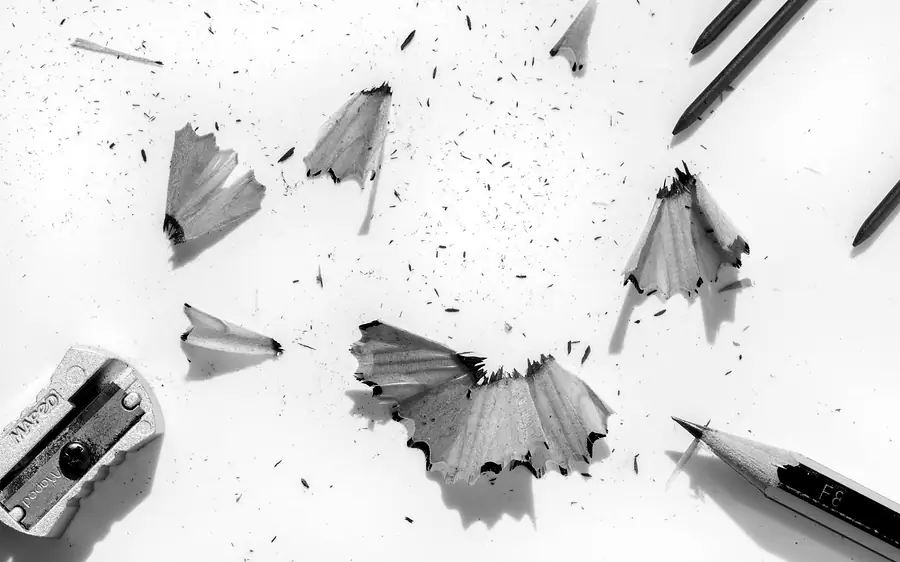
Eraser消しゴム
The last tool to touch a finished page. It takes the pencil away and leaves only what was decided.
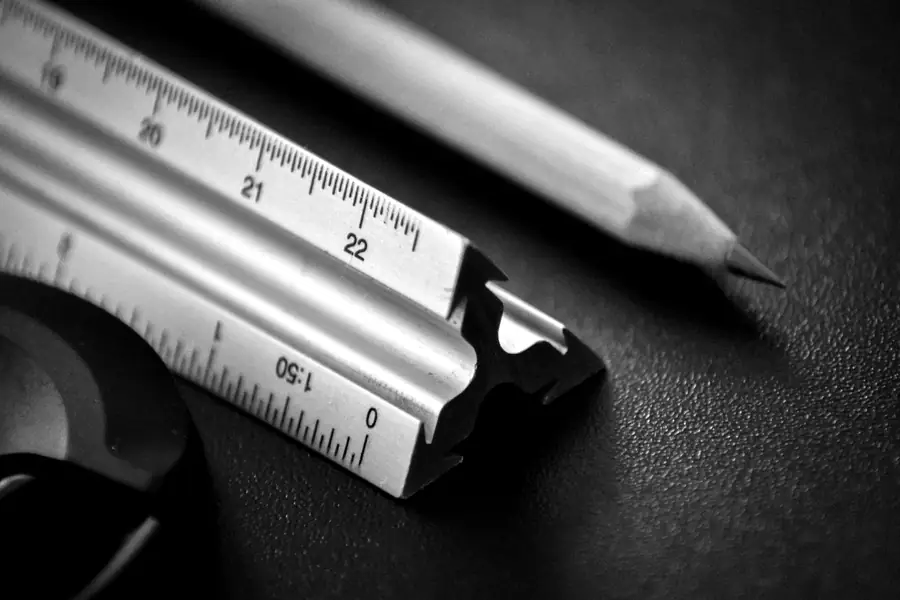
Ruler定規
Bevelled edge up, so the ink never creeps underneath. Every panel border is one ruled line and one held breath.
Screentoneスクリーントーン
Dots on adhesive film, cut with a blade and burnished down. Sixty lines to the inch for skin, finer for sky.
Whiteホワイト
Correction white. Highlights in the hair, stars, and the mistake nobody will ever find.
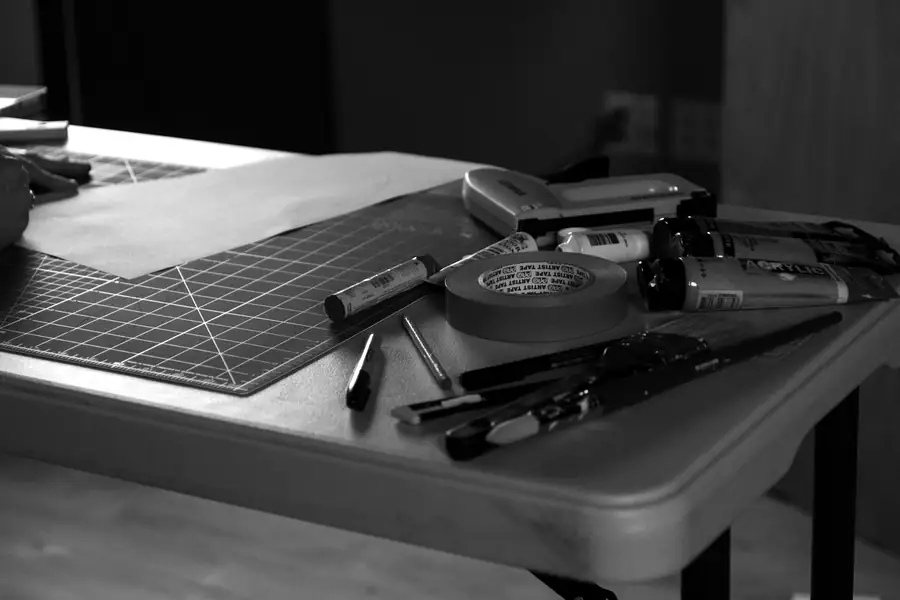
Cutter and matカッターマット
For the tone and the trembling hand. A fresh blade for every page.
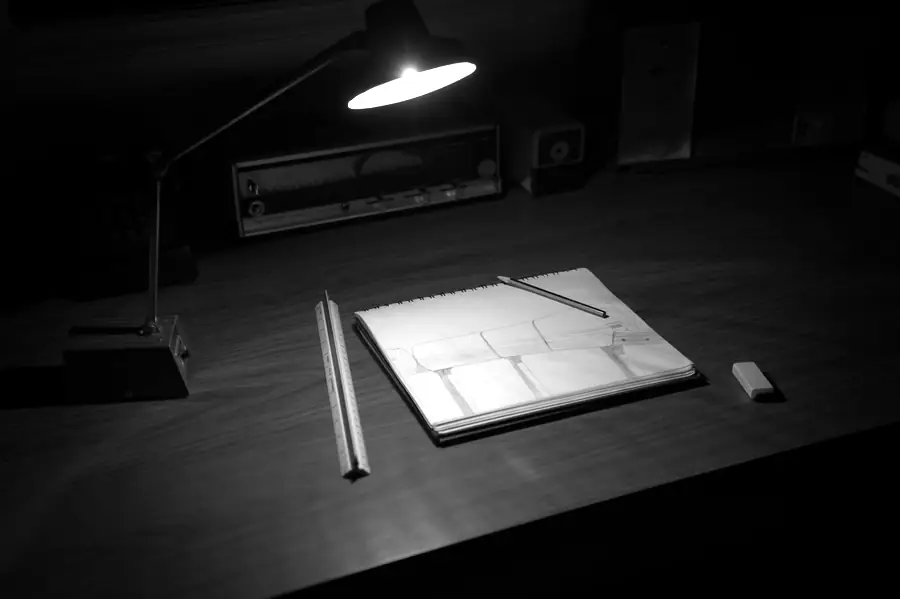
The lamp電気スタンド
Switched on at four in the afternoon. Still on at four in the morning.

Teaお茶
Cold by the time it is remembered. Still the most used tool on the desk.
Every chapter, four beats.
Kishōtenketsu. The oldest shape a story takes, and the one every four-panel strip in every newspaper still keeps.
The Foundation
The opening act sets the stage, introducing the cast, their relationships, and the world they inhabit. A baseline of normalcy, so readers understand everyday life before the journey begins.
The Development
Building on that foundation, the narrative deepens. Character dynamics expand and the plot eases forward with no major conflict yet, quietly building the emotional investment that makes readers care.
The Twist
The dramatic turning point. A sudden complication or revelation pivots the story in an entirely new direction, the peak of tension that forces the characters to react to the chaos.
The Resolution
The final act brings closure. It resolves the chaos of the twist, ties up loose threads, and settles a new normal, reflecting on how far the characters have come.
What creators told us.
We asked more than eighty manga creators how they actually work. Their answers are the red pen on this page.
- 13 of 27named story, not drawing, as the bottleneck
- 17 of 27keep characters on model from a hand-made sheet
- 63%ranked the story canvas first in an early build
In their own words, unedited
The scene cards seems so fun to use.
Nothing felt unnecessary. The workflow looked clear and well thought out.
I found the explanations clear and easy to follow and the overall structure made sense.
Storywriting panels looks very easy and useful. All this in one program is very cool idea.
I see its potential to be used by many, including me.
I found everything pretty useful and necessary. It looks quite user-friendly too.
What we built, in one row.
A studio for planning, storyboarding and inking manga in the browser. It is on the page once, this small, because the desk comes first.
Komawari layout
Genre-driven panel grids with right-to-left reading order, cut from real polygon geometry.
Cast and continuity
Your cast lives inside the story, so reference art and notes travel with every character.
Print-ready export
Crisp pages with art and lettering composited in one pass, A4 and batch chapter export.
The storyboard is the page underneath. We only hold it still.
The promise.
No image generation of any kind. Not for characters, not for panels, not hidden behind a setting.
You draw every mark.
Nothing you make is ever used to train a model.
Written into our Terms of Service and Privacy Policy. Not a slogan.
Thank you for reading this far.
Afterword. Questions, answered.
- Who is MangaForge built for?
- MangaForge is built for manga creators who want to produce serialized content faster, whether you're working on a webcomic, doujinshi, or a full chapter series. It follows the way manga is actually made: plot, then storyboard, then the finished page.
- How does character consistency work?
- Your cast lives inside the story, so every scene knows who is in it. Reference art and notes travel with the character and sit beside the storyboard while you draw. You are never hunting for the sheet you made forty pages ago.
- What is the Canvas used for?
- The Canvas is where you draw. Your storyboard becomes the page underneath it, panels and balloons already placed, and you ink over the top. Letter, tone and export from the same document.
- Can I use my own character art?
- Yes. Upload your own artwork and it stays with that character, on your canvas, to draw from. It is reference for you, not training data for us. Nothing you upload trains any model.
- Is AI replacing the artist?
- No. MangaForge has no image generation of any kind, not for characters, not for panels, not hidden behind a setting. You draw every mark. Nothing you make is ever used to train a model.
Your desk is ready.
Bring the story you have been carrying around. Plot it, storyboard it and draw every panel, all in one studio. Or just come and talk about the one you are drawing now. The door is the Discord.
It's free to start. No credit card needed. Been here before? Sign in